Seamless Two-Tone Pattern Paper: A Versatile Tool for Creative Projects
Whether you're a seasoned designer or just starting out in the world of digital crafting, having the right tools can make all the difference. One such tool that has gained popularity among creators and professionals alike is Seamless Two-Tone Pattern Paper. This unique resource offers a blend of aesthetics and functionality, making it an ideal choice for a wide range of creative projects.
What Is Seamless Two-Tone Pattern Paper?
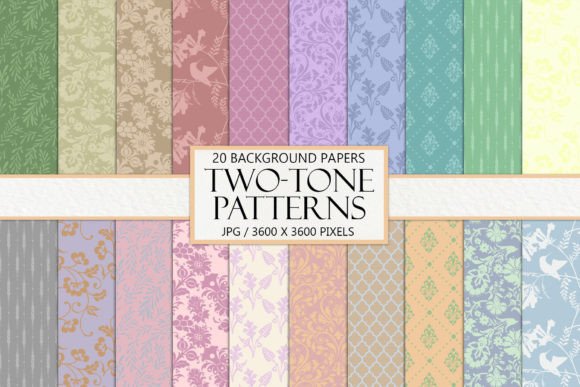
Seamless Two-Tone Pattern Paper is a digital paper kit that includes 20 different backgrounds featuring seamless patterns and a two-tone color theme. Each background is designed to be used as a base sheet for various paper crafts, from digital scrapbooking to physical journaling. The seamless nature of these patterns means they can be repeated without visible seams, making them perfect for creating large, cohesive designs.
The set comes in both JPG and PDF formats, ensuring compatibility with a variety of design software. Each background measures 12 x 12 inches (3600 x 3600 pixels), providing ample space for detailed work while maintaining high resolution for print and digital use.
Key Features of Seamless Two-Tone Pattern Paper
- Two-Tone Color Themes: These papers feature striking combinations of colors that add visual interest and depth to any project.
- Seamless Patterns: The seamless design allows for easy tiling and repetition, which is essential for creating large layouts without visible seams.
- High Resolution: At 3600 x 3600 pixels, each background is suitable for both digital and print applications.
- Multiple Formats: Available in JPG and PDF, this flexibility makes it compatible with most design platforms.
- 20 Background Options: With a variety of patterns, users can choose the best fit for their specific project needs.
Where Can You Use Seamless Two-Tone Pattern Paper?
The versatility of Seamless Two-Tone Pattern Paper makes it a valuable asset across multiple creative fields. Here are some common uses:
Digital Scrapbooking
Digital scrapbooking is a popular hobby and profession, and Seamless Two-Tone Pattern Paper serves as an excellent base layer for layouts. Its two-tone color schemes provide a subtle yet elegant backdrop that complements photos and other design elements without overpowering them.
Card Design
Whether you're creating greeting cards, invitations, or promotional materials, these pattern papers offer a professional touch. Their seamless nature ensures that your designs look polished and consistent, even when printed on larger formats.
Tags and Stickers
For smaller projects like tags and stickers, Seamless Two-Tone Pattern Paper provides a great foundation. The high-resolution images ensure that details remain crisp and clear, even when scaled down.
Physical Scrapbooks and Junk Journals
These papers are not limited to digital use. They can also be printed and used in physical scrapbooks and junk journals. Their durability and aesthetic appeal make them a favorite among traditional crafters looking to blend digital and analog techniques.
Who Benefits from Using Seamless Two-Tone Pattern Paper?
Seamless Two-Tone Pattern Paper is beneficial for a wide range of individuals and professionals, including:
- Designers: Looking for versatile background options that enhance their projects.
- Crafters: Seeking high-quality digital resources to elevate their handmade creations.
- Business Owners: Creating branded materials, such as social media graphics or promotional items.
- Online Users: Anyone who wants to create visually appealing content for personal or professional purposes.
Strengths of Seamless Two-Tone Pattern Paper
One of the primary strengths of Seamless Two-Tone Pattern Paper is its adaptability. It works well across different mediums and project types, making it a go-to resource for many creatives. Additionally, the two-tone color scheme adds a level of sophistication that can elevate the overall design of any project.
The high resolution ensures that the quality remains consistent whether you're working digitally or printing the final product. This is especially important for those who want their work to look professional and polished.
Considerations and Limitations
While Seamless Two-Tone Pattern Paper offers many benefits, there are a few considerations to keep in mind:
- Color Matching: Since the patterns are two-toned, it's important to ensure that the chosen colors complement the rest of your design elements.
- Software Compatibility: While the files are available in JPG and PDF formats, some design software may require additional steps to import and use them effectively.
- Project-Specific Needs: Not all projects will benefit from a two-tone pattern. It's important to assess the purpose of your project before selecting the right paper.
Real-World Applications
To better understand how Seamless Two-Tone Pattern Paper can be applied, consider the following scenarios:
- Creating a Wedding Invitation: A two-tone pattern can serve as a subtle background for a wedding invitation, adding a touch of elegance without being too distracting.
- Designing a Social Media Layout: These papers can act as a base for Instagram or Pinterest posts, helping to create a cohesive and visually appealing layout.
- Building a Personal Portfolio: For designers or artists, using these papers as a background for portfolio pages can help showcase their work in a more refined manner.
Evaluating Suitability for Your Needs
When deciding whether Seamless Two-Tone Pattern Paper is right for your project, consider the following factors:
- Project Type: Does your project require a subtle background or something more vibrant?
- Target Audience: Will the audience appreciate the two-tone aesthetic, or would a simpler design be more effective?
- Medium: Are you working digitally or planning to print the final product?
- Time and Resources: Do you have the time and tools to incorporate these papers into your workflow?
By carefully evaluating these aspects, you can determine whether Seamless Two-Tone Pattern Paper aligns with your creative goals and project requirements.