Tiny Seamless Fabric Texture and Pattern
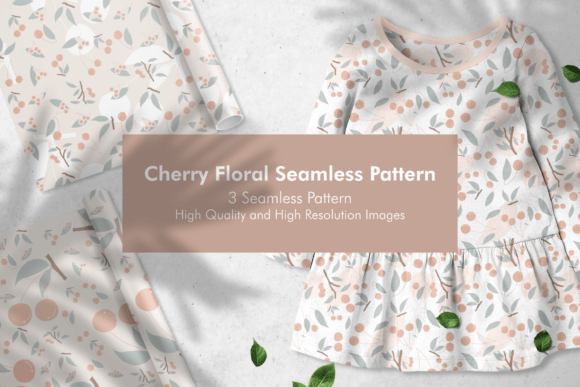
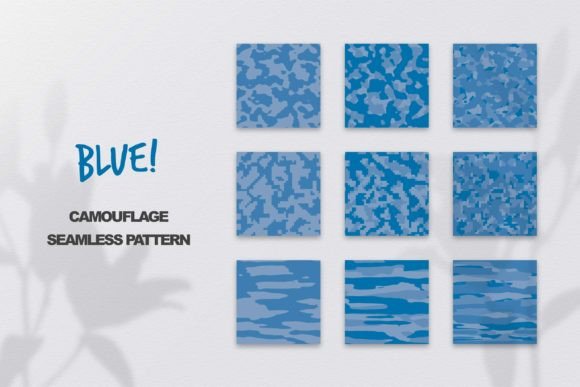
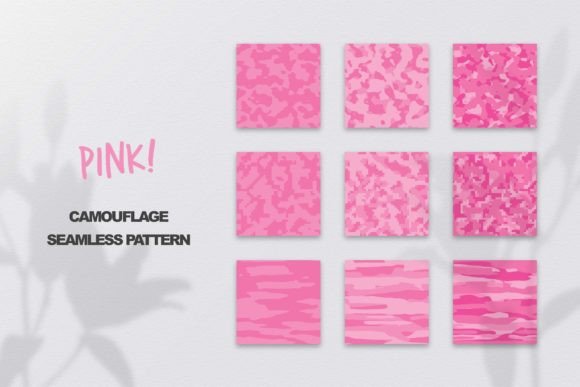
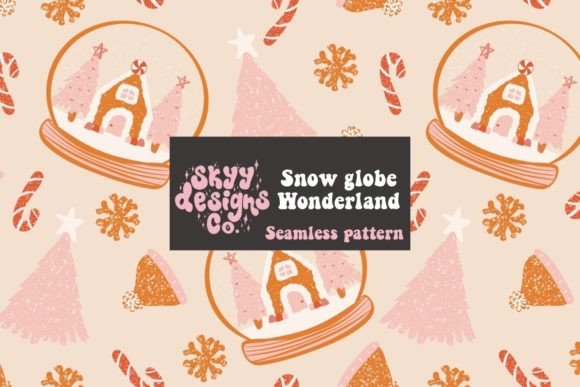
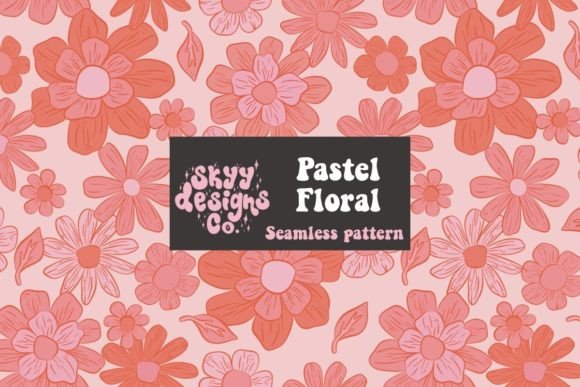
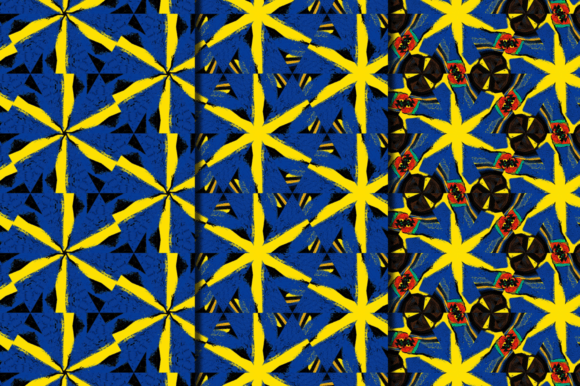
Tiny Seamless Fabric Texture and Pattern is a versatile digital resource designed for creators who need high-quality, repeatable background designs. This collection of 10 digital art pieces includes seamless fabric textures and colorful patterns that can be used across a wide range of design projects. Whether you're working on stationery, gift wrap, textiles, or home decor, these graphics offer a consistent and professional aesthetic that enhances your work without the need for complex editing.
The collection features both 4:3 and 1:1 ratio graphics, making them adaptable to various formats and applications. Each file is provided in JPEG format, ensuring compatibility with most design software and platforms. With a focus on premium quality and high resolution, this resource is ideal for both digital and print media, allowing for crisp, clean results that maintain clarity at any scale.
Strategic Value of Tiny Seamless Fabric Texture and Pattern
In today’s fast-paced creative environment, efficiency and consistency are key. Tiny Seamless Fabric Texture and Pattern offers a strategic advantage by providing ready-to-use elements that save time and effort. Rather than creating custom textures from scratch, designers can leverage these pre-made assets to streamline their workflow and focus on more complex aspects of their projects.
Moreover, the use of seamless textures ensures that there are no visible seams when the pattern is repeated, which is crucial for maintaining a cohesive look in backgrounds, overlays, and other design elements. This makes it particularly useful for those working on large-scale projects where uniformity is essential.
Supporting Goals and Planning
When integrated into a well-thought-out design strategy, Tiny Seamless Fabric Texture and Pattern can support multiple objectives. For instance, in branding efforts, these textures can help create a visual identity that feels warm, inviting, and professional. By using consistent textures across all marketing materials, businesses can reinforce brand recognition and build trust with their audience.
For educators and professionals, these patterns can enhance learning materials or presentations by adding a visually engaging layer. In a classroom setting, for example, a teacher might use a subtle fabric texture as a background for slides to make content more approachable and less overwhelming. Similarly, in a professional context, such textures can elevate the presentation of reports or proposals, making them more visually appealing and easier to digest.
Use Cases and Practical Applications
Tiny Seamless Fabric Texture and Pattern is not limited to one specific use case—it can be applied in a variety of ways depending on the project's needs. Here are some practical examples:
- Stationery Design: Use the textures to create greeting cards, invitations, or notebooks that feel personalized and elegant.
- Gift Wrapping: Apply the patterns to packaging to add a unique touch to products, making them stand out in a competitive market.
- Textile Projects: Incorporate the textures into fabric prints or embroidery designs for a refined, artisanal look.
- Home Decor: Use the patterns as a base for wall art, cushions, or curtains to bring a soft, textured feel to interiors.
- Digital Backgrounds: Add the textures to websites, social media posts, or digital presentations to create a visually rich environment.
Each of these applications demonstrates how the resource can be strategically deployed to achieve specific outcomes. The key is to align the use of these textures with the overall goals of the project, ensuring that they contribute meaningfully rather than distract from the main message.
Considerations for Effective Use
Before relying on Tiny Seamless Fabric Texture and Pattern, it’s important to consider several factors. First, define the purpose of the design and determine whether the textures will complement or detract from the intended message. Overuse or misuse of textures can lead to visual clutter, which may confuse or overwhelm the audience.
Second, ensure that the chosen textures are appropriate for the target audience. A vibrant, colorful pattern may not be suitable for a professional business card, while a more subdued texture could be better suited for a luxury product label. Understanding the audience’s preferences and expectations helps in selecting the right texture for the right context.
Third, always test the textures in different environments and formats. What looks great on a screen may not translate well to print, and vice versa. It’s also important to check the resolution and compatibility of the files to avoid issues during the final production phase.
Risks of Random Use
Using Tiny Seamless Fabric Texture and Pattern without clear goals or context can lead to suboptimal results. When textures are applied randomly, they may not align with the overall design vision, resulting in a disjointed or unprofessional appearance. This can undermine the effectiveness of the design and potentially harm the brand or message being conveyed.
Additionally, without a strategic approach, the use of these textures may become repetitive or monotonous. This can reduce the impact of the design and diminish the viewer’s engagement. To avoid these risks, it’s essential to plan ahead and integrate the textures thoughtfully into the broader design framework.
Intentional Application for Long-Term Value
To maximize the long-term value of Tiny Seamless Fabric Texture and Pattern, it’s important to apply them intentionally rather than randomly. Start by identifying the core themes or messages of your project and choose textures that reflect those ideas. This ensures that each element contributes to the overall narrative and strengthens the design’s impact.
Furthermore, consider how these textures can be reused across different projects. By developing a library of textures that align with your brand or style, you can maintain consistency while also saving time in future design efforts. This approach not only enhances productivity but also supports long-term branding and communication strategies.
Finally, keep an open mind and experiment with different combinations. While there are best practices to follow, creativity often thrives on exploration. By testing various textures and layouts, you can discover new ways to incorporate these elements into your work, leading to more innovative and effective designs.