Abstract Pattern: A Versatile Tool for Creative and Practical Workflows
Abstract Pattern is a concept that bridges the gap between artistic expression and functional design. It refers to a structured yet flexible approach to organizing ideas, processes, or visual elements in a way that supports both creativity and clarity. Whether you're working on a creative project, designing a digital product, or planning a business strategy, understanding how to apply Abstract Pattern can enhance your workflow and outcomes.
Understanding Abstract Pattern
At its core, Abstract Pattern is about identifying recurring structures or motifs that can be applied across different contexts. Unlike traditional patterns that are rigid and rule-based, Abstract Pattern allows for variation while maintaining a consistent framework. This makes it particularly useful in fields such as graphic design, education, marketing, and even personal productivity.
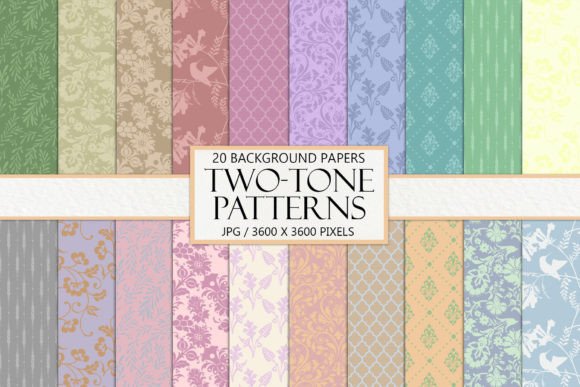
For example, in graphic design, Abstract Pattern can be used to create vector-based designs that are both visually appealing and scalable. These patterns often incorporate elements like color gradients, geometric shapes, and repeating motifs that work well in digital formats. In educational settings, Abstract Pattern can help students break down complex topics into digestible components, making learning more engaging and effective.
Where Abstract Pattern Fits Into Broader Processes
Abstract Pattern is not limited to a single stage of a project or task. It can be integrated at various points, depending on the needs of the user. Here are some common use cases:
- Before a Project: Use Abstract Pattern to outline key themes, goals, and visual elements that will guide the creative process.
- During a Task: Apply Abstract Pattern to maintain consistency in design, content, or organizational structure.
- After a Decision: Implement Abstract Pattern to document insights, track progress, or refine future strategies.
This flexibility makes Abstract Pattern a valuable asset for professionals who need to balance creativity with efficiency. Whether you're creating a website layout, developing a marketing campaign, or managing a team project, incorporating Abstract Pattern can help streamline your approach and improve results.
How Abstract Pattern Interacts With Other Tools and Methods
One of the strengths of Abstract Pattern is its ability to integrate seamlessly with other tools and methods. For instance, when working with design software like Adobe Illustrator or Figma, Abstract Pattern can be used to create reusable assets such as background textures, color schemes, or icon sets. These elements can then be applied across multiple projects, ensuring consistency and reducing repetitive work.
In the context of web development, Abstract Pattern can be combined with frameworks like Bootstrap or Tailwind CSS to build responsive, visually cohesive websites. By defining a base pattern, developers can ensure that all components align with the overall aesthetic and functionality of the site.
Additionally, Abstract Pattern works well with agile methodologies in project management. Teams can use it to establish a visual or conceptual framework that supports iterative development, allowing for quick adjustments without losing sight of the broader goal.
Practical Implementation Tips for Using Abstract Pattern
Integrating Abstract Pattern into your workflow doesn't have to be complicated. Here are some practical tips to get started:
- Define Your Core Elements: Identify the key components of your project or task. These could be colors, shapes, themes, or even processes.
- Create a Base Template: Develop a foundational pattern that can be adapted for different applications. This template should be simple enough to modify but robust enough to support your needs.
- Test and Refine: Experiment with variations of your pattern to see what works best in different scenarios. Gather feedback from stakeholders or users to refine your approach.
- Document Your Process: Keep a record of how you've applied Abstract Pattern in past projects. This documentation can serve as a reference for future tasks and help improve your efficiency over time.
By following these steps, you can ensure that Abstract Pattern becomes a reliable part of your workflow rather than an afterthought. It's important to remember that the goal is not to create something overly complex, but to find a balance between structure and adaptability.
Use Cases Across Different Fields
The versatility of Abstract Pattern means it can be applied in a wide range of industries and disciplines. Here are a few examples:
Graphic Design
In graphic design, Abstract Pattern is often used to create background textures, icons, and layouts. Designers may use vector-based patterns to ensure scalability and high quality across different platforms. These patterns can be customized to match brand guidelines or project-specific requirements.
Education
Teachers and educators can use Abstract Pattern to develop lesson plans, visual aids, and interactive activities. By breaking down complex subjects into structured yet flexible patterns, they can make learning more accessible and engaging for students.
Marketing
Marketers can apply Abstract Pattern to branding, advertising, and campaign planning. Consistent visual and thematic patterns help reinforce brand identity and create a cohesive message across different channels.
Personal Productivity
Even in personal workflows, Abstract Pattern can be useful. For example, individuals can use it to organize their daily routines, manage tasks, or plan long-term goals. The key is to identify recurring elements and structure them in a way that supports productivity and clarity.
Factors to Consider When Using Abstract Pattern
While Abstract Pattern offers many benefits, there are several factors to consider when implementing it:
- Preparation: Take time to define your goals and understand the context in which you'll be using Abstract Pattern.
- Compatibility: Ensure that your chosen pattern works well with the tools, platforms, and resources you're already using.
- Usability: Choose a pattern that is easy to adapt and modify based on changing needs.
- Organization: Maintain clear documentation and version control to avoid confusion or duplication.
- Efficiency: Focus on creating patterns that save time and effort rather than adding unnecessary complexity.
- Consistency: Strive for consistency in how you apply Abstract Pattern across different projects and tasks.
- Quality Control: Regularly review and refine your patterns to ensure they continue to meet your needs.
- Long-Term Use: Think about how your pattern will evolve over time and plan for future adaptations.
By considering these factors, you can maximize the value of Abstract Pattern and ensure it remains a useful tool in your workflow.
Conclusion
Abstract Pattern is more than just a design technique—it's a powerful framework that can enhance creativity, organization, and efficiency in a variety of contexts. Whether you're a designer, educator, marketer, or entrepreneur, understanding how to apply Abstract Pattern can help you achieve better results and streamline your processes. By integrating it thoughtfully into your workflow, you can unlock new possibilities and improve the quality of your work.