Maze Pattern Set 1: A Versatile Resource for Designers and Crafters
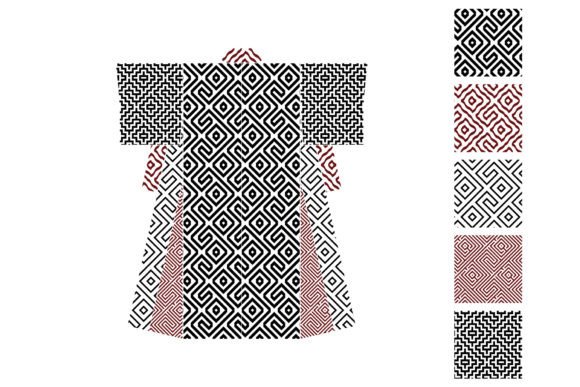
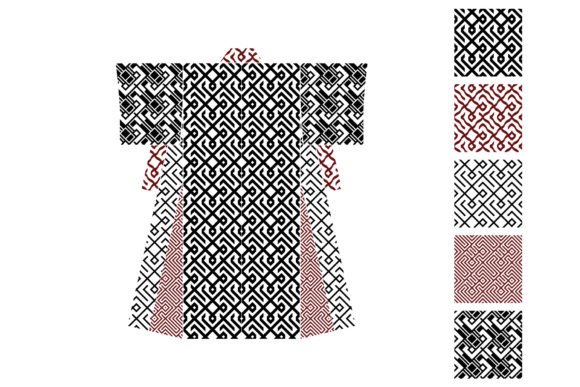
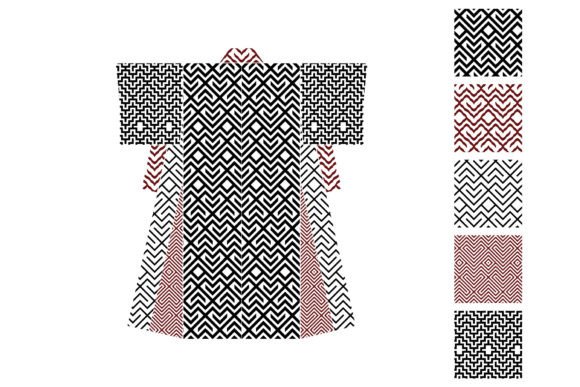
Maze Pattern Set 1 is a collection of intricate, AI-compatible vector patterns designed for use in a wide range of creative applications. This set includes five maze labyrinth designs, each crafted to be scalable and editable within Adobe Illustrator CS6 and above. The patterns are seamlessly integrated, making them ideal for use in batik design, traditional Chinese and Korean motifs, and classic Japanese wagara patterns for tatami, kimono, hanfu, cheongsam, hanbok, and more.
Why Would Someone Be Interested in Maze Pattern Set 1?
Designers and crafters looking for high-quality, customizable patterns will find Maze Pattern Set 1 particularly appealing. The labyrinth-style designs offer a unique aesthetic that can be applied across various cultural and artistic contexts. Whether you're creating textiles, interior elements like laser-cut partitions, or decorative panels, these patterns provide a versatile foundation for your projects.
The seamless nature of the patterns also makes them ideal for large-scale applications. For instance, they can be used to create continuous backgrounds for fabric prints, wall coverings, or even digital art. This adaptability means that Maze Pattern Set 1 is not limited to a single use case but can be tailored to suit multiple creative needs.
Benefits of Using Maze Pattern Set 1
One of the primary benefits of Maze Pattern Set 1 is its compatibility with Adobe Illustrator. Being AI EPS files ensures that the patterns remain editable and scalable without loss of quality. This is especially important for designers who need to make adjustments or customizations as their projects evolve.
Additionally, the inclusion of multiple maze designs allows for greater flexibility in design choices. Each pattern can be used independently or combined to create complex compositions. This variety is beneficial for those who want to experiment with different visual effects or maintain consistency across multiple design elements.
The set's versatility extends to its application areas. From traditional clothing such as hanfu and cheongsam to modern interior design elements like aluminum patterned partitions, the patterns can be adapted to fit a wide array of industries and aesthetics.
Considerations and Tradeoffs
While Maze Pattern Set 1 offers many advantages, it’s important to consider its limitations. The labyrinth theme may not appeal to everyone, especially those seeking more abstract or contemporary designs. Additionally, the set focuses on a specific type of pattern—maze labyrinths—which might not meet the needs of designers looking for a broader range of motifs.
Another consideration is the level of customization required. Although the patterns are editable, achieving highly detailed modifications may require some technical expertise. For users unfamiliar with vector editing tools, this could present a learning curve.
Situations Where Maze Pattern Set 1 May Be a Strong Fit
Maze Pattern Set 1 is particularly well-suited for projects that benefit from a sense of complexity and symmetry. Traditional textile design, for example, often relies on intricate patterns to convey cultural heritage and craftsmanship. The labyrinth motifs align well with this tradition, offering both visual interest and historical relevance.
In interior design, the set can be used to create visually engaging partitions or decorative panels. The seamless nature of the patterns ensures that they can be tiled without visible seams, making them ideal for large surfaces. Similarly, the patterns can enhance the aesthetic of laser-cut metalwork or other modern design elements.
For those working in fashion or costume design, the patterns can be incorporated into fabrics or accessories to add a unique, symbolic element. The maze motif has cultural significance in many traditions, making it a meaningful choice for certain projects.
When to Consider Alternatives
If your project requires a broader range of design options, Maze Pattern Set 1 may not be the best choice. Alternative pattern sets that include a wider variety of motifs—such as floral, geometric, or abstract designs—could better meet your needs. These alternatives might also offer more flexibility in terms of style and application.
Additionally, if you are looking for patterns that are specifically tailored to a particular industry or aesthetic, it may be worth exploring specialized sets. For example, there are pattern libraries dedicated to modern minimalism, vintage styles, or contemporary art, which may better align with your creative goals.
Practical Decision-Making Insights
When evaluating whether Maze Pattern Set 1 is right for your project, consider the following factors: the intended use of the patterns, the level of customization required, and the overall aesthetic you wish to achieve. If you are working on a project that values intricate, culturally rich designs, this set may be an excellent resource.
It’s also helpful to assess your technical capabilities. If you are comfortable using Adobe Illustrator and have experience with vector editing, you’ll likely find the set easy to work with. However, if you’re new to design software, you may want to explore tutorials or seek guidance before diving into the patterns.
Ultimately, the decision should be based on how well the patterns align with your creative vision and practical requirements. Maze Pattern Set 1 offers a unique blend of tradition and versatility, making it a valuable tool for designers and crafters who appreciate intricate, meaningful patterns.