Maze Pattern Set 12: A Versatile Resource for Designers and Creators
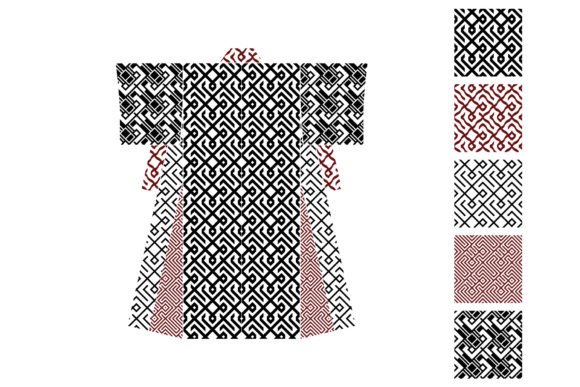
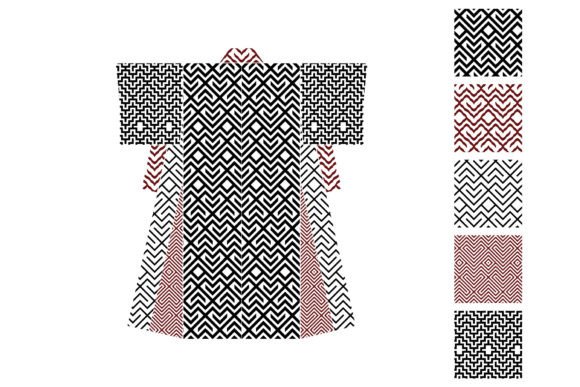
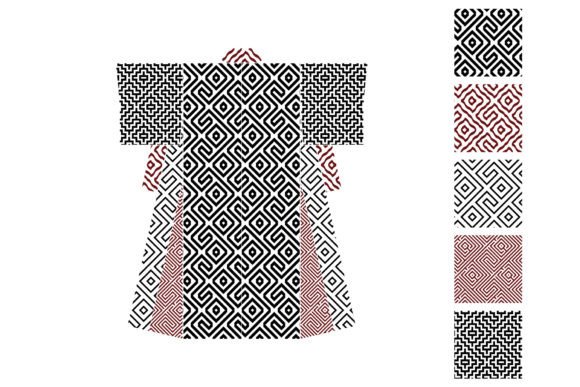
For designers, artists, and crafters looking to infuse traditional aesthetics into modern projects, Maze Pattern Set 12 offers a unique blend of historical inspiration and contemporary application. This set includes five maze labyrinth patterns in AI EPS format, compatible with Adobe Illustrator CS6 and above. Whether you're working on textiles, interior design, or digital graphics, this collection is designed to provide both flexibility and authenticity.
Why Maze Pattern Set 12 Stands Out
Maze Pattern Set 12 isn’t just another pattern collection—it’s a curated resource that bridges the gap between ancient design traditions and modern creative needs. The patterns are inspired by classic Chinese, Korean, and Japanese motifs, including wagara for tatami, kimono, hanfu, cheongsam, hanbok, and even aluminum pattern designs used in laser cut partitions. These elements make it an ideal choice for those who want to incorporate cultural depth into their work without sacrificing visual appeal or technical precision.
What sets this set apart is its compatibility with professional design software like Adobe Illustrator. This ensures that users can easily edit, scale, and integrate the patterns into their projects. Whether you’re creating a custom textile print or designing a decorative partition, the versatility of Maze Pattern Set 12 allows for seamless integration into a wide range of applications.
Common Mistakes When Using Maze Pattern Set 12
Despite its benefits, many users overlook key considerations when using Maze Pattern Set 12. One common mistake is assuming that all patterns will work equally well across different mediums. For instance, while a maze pattern might look stunning on a fabric print, it could lose clarity when scaled for a large-scale interior design project. This oversight can lead to wasted time and resources, as well as unsatisfactory results.
Another frequent error is not verifying the file format and compatibility before purchasing. Maze Pattern Set 12 is available in AI EPS format, which is suitable for vector-based editing. However, if a user relies on raster-based software or doesn’t have the correct version of Adobe Illustrator, they may encounter issues opening or editing the files. This can result in frustration and the need to seek alternative solutions.
Additionally, some creators fail to consider how the patterns will be applied in real-world contexts. For example, a pattern that looks intricate on a small scale may become overwhelming when used on a larger surface like a wall panel or a floor tile. This can affect the overall aesthetic and usability of the final product, especially in commercial or public spaces.
How to Avoid These Mistakes
To avoid these pitfalls, start by thoroughly reviewing the specifications of Maze Pattern Set 12 before making a purchase. Ensure that your design software supports AI EPS files and that you have the appropriate version of Adobe Illustrator. If you're unsure about compatibility, consider testing the files on a smaller scale or reaching out to the provider for clarification.
Next, think about the intended use of the patterns. Will they be used for fabric, paper, or digital media? Are they meant for personal projects or commercial applications? Understanding these factors will help you choose the right patterns and scale them appropriately. It's also wise to experiment with different sizes and layouts to see how the patterns perform in various contexts.
Finally, don’t forget to check the licensing terms. Some pattern sets come with restrictions on commercial use or require attribution. Being aware of these details upfront can prevent legal issues and ensure that you’re using the patterns responsibly.
Practical Applications of Maze Pattern Set 12
The beauty of Maze Pattern Set 12 lies in its adaptability. Here are a few practical examples of how it can be used:
- Textile Design: Use the maze patterns as base designs for fabrics, especially in traditional garments like hanfu, cheongsam, and hanbok. The intricate details add a sense of craftsmanship and cultural richness.
- Interior Design: Incorporate the patterns into laser-cut partitions or wall panels to create a unique visual effect. The labyrinth theme adds a subtle complexity that can enhance the ambiance of any space.
- Digital Graphics: Apply the patterns to digital backgrounds, logos, or branding materials. The clean lines and symmetry make them ideal for modern design projects that still carry a touch of tradition.
- Art and Craft Projects: Use the patterns as templates for hand-drawn illustrations, embroidery, or mixed-media art. Their geometric nature lends itself well to both detailed and abstract interpretations.
By understanding the strengths and limitations of Maze Pattern Set 12, you can maximize its potential and avoid unnecessary complications. Whether you're a seasoned designer or just starting out, this set offers a valuable tool for blending tradition with innovation.
Final Considerations Before Making a Decision
Before investing in Maze Pattern Set 12, take the time to evaluate your specific needs and goals. Ask yourself: What kind of project am I working on? Do I have the right tools and skills to use these patterns effectively? Am I prepared to experiment and refine my approach?
If you're unsure, consider starting with a smaller project or sample piece to test the patterns’ performance. This way, you can gain hands-on experience and determine whether the set aligns with your creative vision and technical capabilities.
Ultimately, Maze Pattern Set 12 is more than just a collection of patterns—it’s a gateway to exploring cultural heritage through modern design. By approaching it with care, curiosity, and intention, you’ll unlock its full potential and create something truly meaningful.